


sponsored
Building a Multiracial Democracy
The practices of trust-based philanthropy require grappling with deep-rooted inequities while living values in action.

The practices of trust-based philanthropy require grappling with deep-rooted inequities while living values in action.

Rebuild Local News seeks to reverse the rapid decline of local journalism with public policy.

A charity and bank are teaming up to ease the rental process for low-income and homeless people in the United Kingdom.
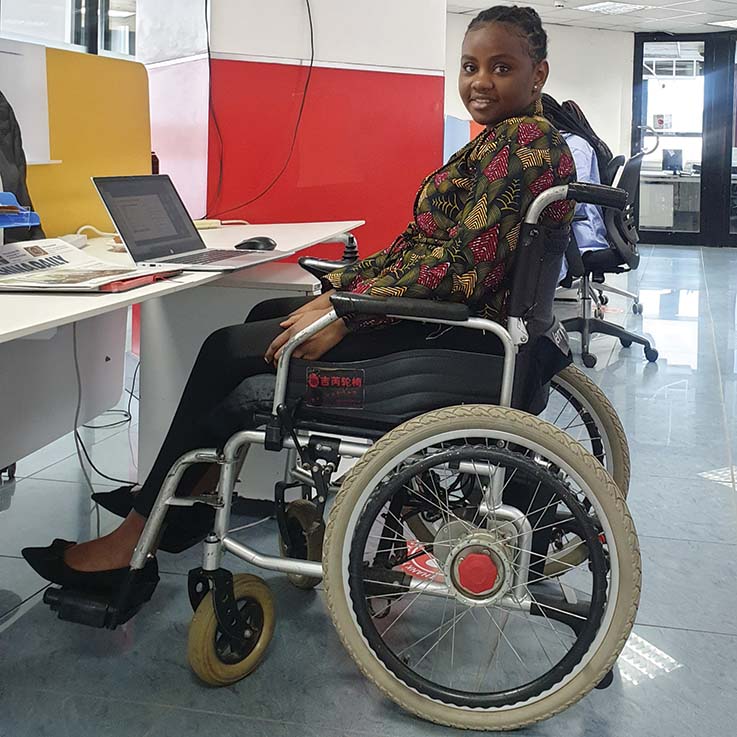
Social enterprise Riziki Source promotes professional development for one of Kenya’s most disadvantaged communities.
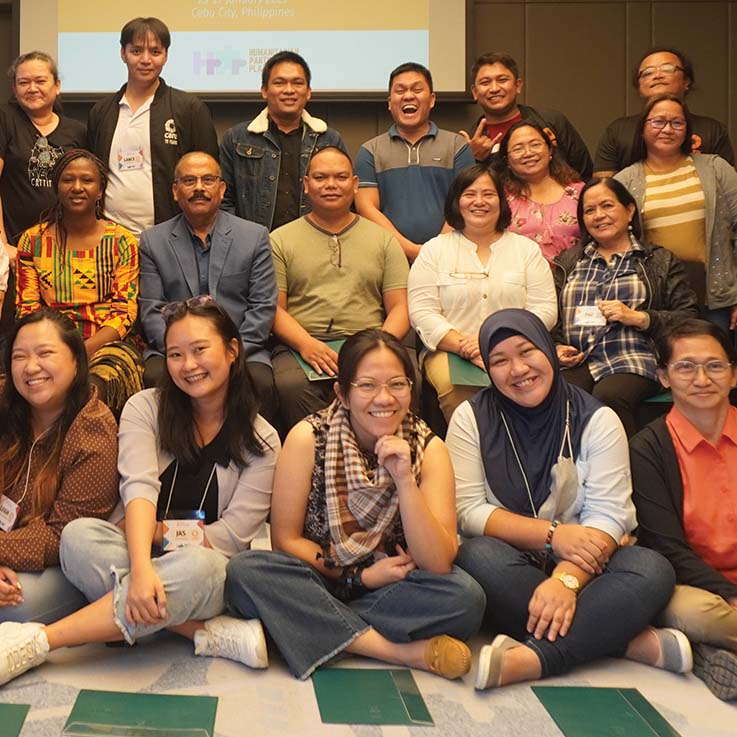
The international NGO CARE reimagined its traditional approach to humanitarian relief by creating a platform to uplift its local partners and better serve communities.
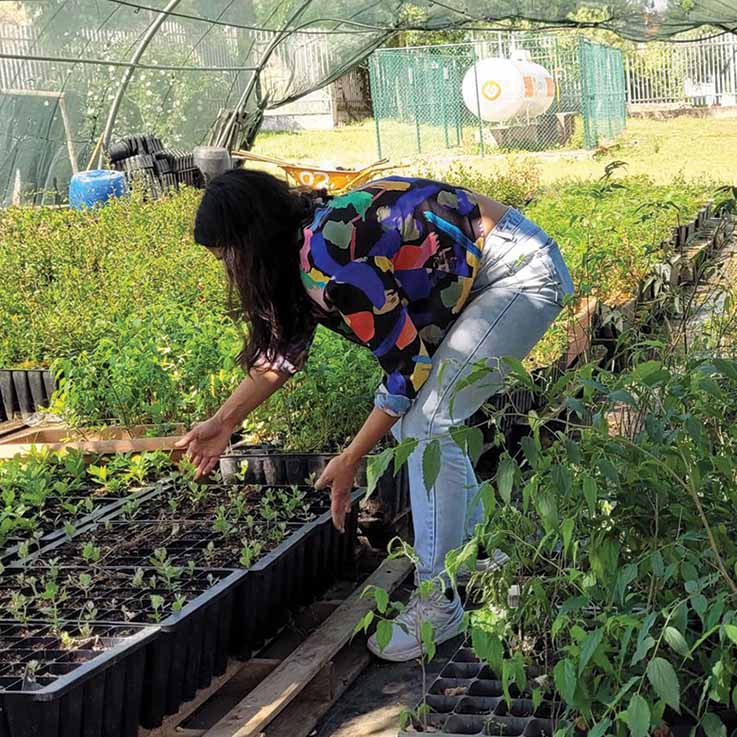
NGO ATN preserves and restores the biodiversity of northern Portugal to counterbalance the effects of climate change.

One of India’s largest cities launched the world’s biggest public-private partnership metro rail project to construct essential public transit for its bustling metropolis. Its leaders overcame numerous hurdles by cultivating a stakeholder mindset.

Foundations can turn the decision to spend down into a long-lasting and impactful legacy.

Imagine a nurse for every census tract of the United States. We must transform nursing education to make that vision a reality.

Public Exchange creates streamlined pathways for public and private sector leaders to tap academic expertise. This model accelerates solutions to challenging social and environmental problems and enhances the social impact of academic research.